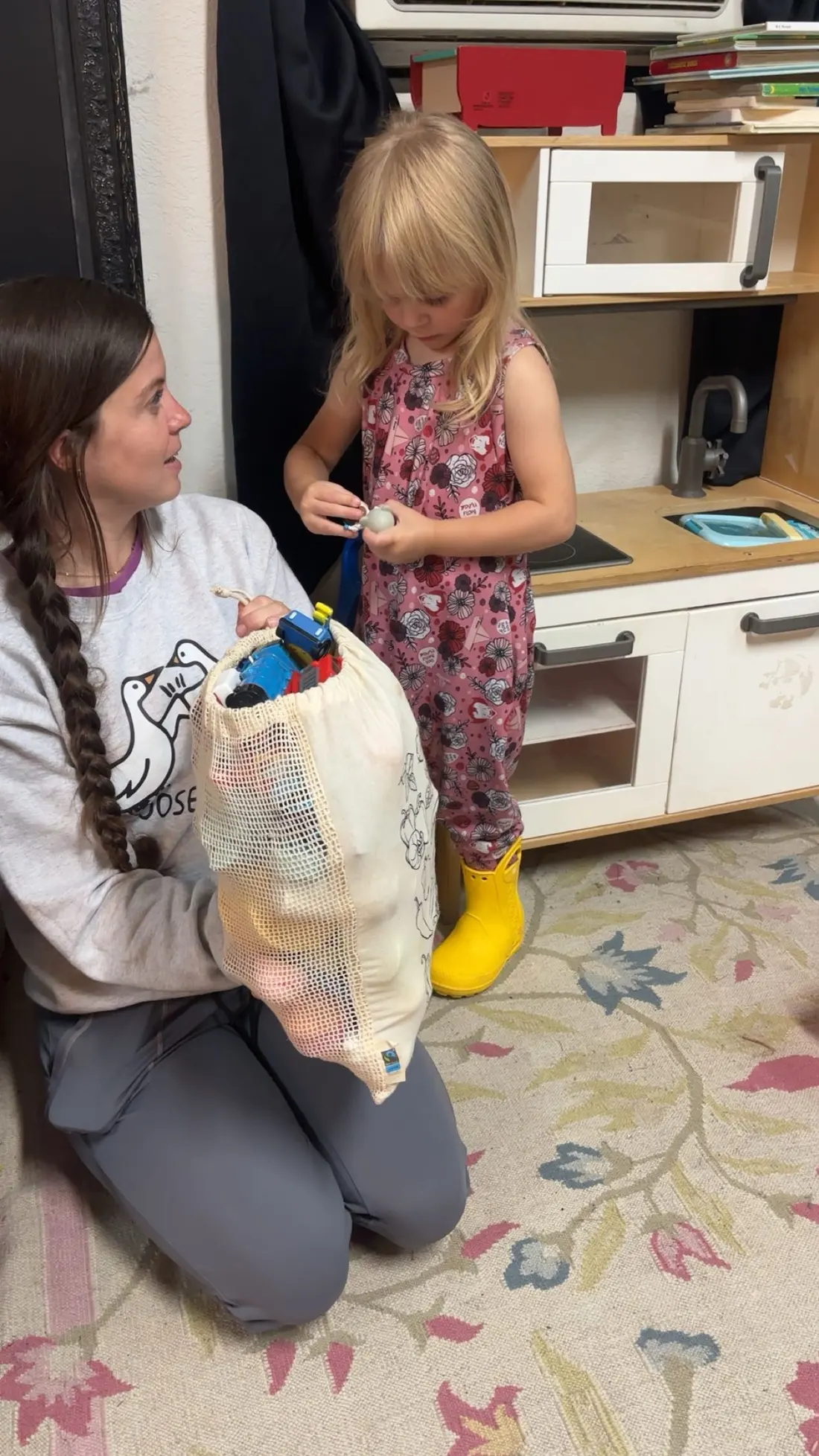
Every child with autism is unique, and no two therapy plans should look exactly alike.
We focus on each child's strengths while helping them develop the skills needed to participate more independently at home, at school, and in their community. Our therapy is child-led, relationship-based, and built around meaningful activities that encourage engagement, confidence, and success.
Occupational therapy can help improve
- Emotional regulation
- Sensory processing
- Daily living skills
- Fine motor development
- Visual motor skills
- Handwriting readiness
- Play skills
- Social participation
- Executive functioning
- Transitions
- Attention and focus
- Self-care routines
- Feeding skills
- Body awareness and motor planning
Recognize your child in this list? That's a good reason to reach out. An evaluation is how we find out whether therapy would help, and sometimes the answer is that everything is on track.
Our autism support approach
We identify each child's sensory preferences, interests, strengths, and challenges before creating an individualized treatment plan.
Sessions may incorporate play-based learning, sensory regulation, fine motor activities, functional self-care practice, visual supports, emotional regulation strategies, executive functioning activities, family education, and collaboration with schools and other providers.
Our goal is to help children build meaningful skills that improve everyday participation, not simply complete activities during a therapy session.
Supporting the whole family
Parents and caregivers are essential members of the therapy team. We provide practical strategies that families can carry into daily routines at home, at school, and in the community.
Have questions about autism support services?
Tell us what you're seeing at home. We'll talk it through and help you figure out the right next step.
Other ways we help
- Infant DevelopmentEarly support for babies working on tummy time, feeding, movement, and sensory regulation.
- Developmental DelaysSupport for children working toward milestones at their own pace, with goals built around daily life.
- Sensory ProcessingStrategies for children who are overwhelmed by everyday input, or constantly seeking more of it.
- Feeding TherapySupport for selective eating, texture sensitivity, chewing and drinking skills, and mealtime stress.
- Executive FunctioningPractical strategies for planning, organization, working memory, and getting started on tasks.
- Fine Motor SkillsHand strength, grasp, and visual motor skills for writing, cutting, dressing, and play.
- School ReadinessHandwriting readiness, attention, transitions, and the self-care independence school expects.