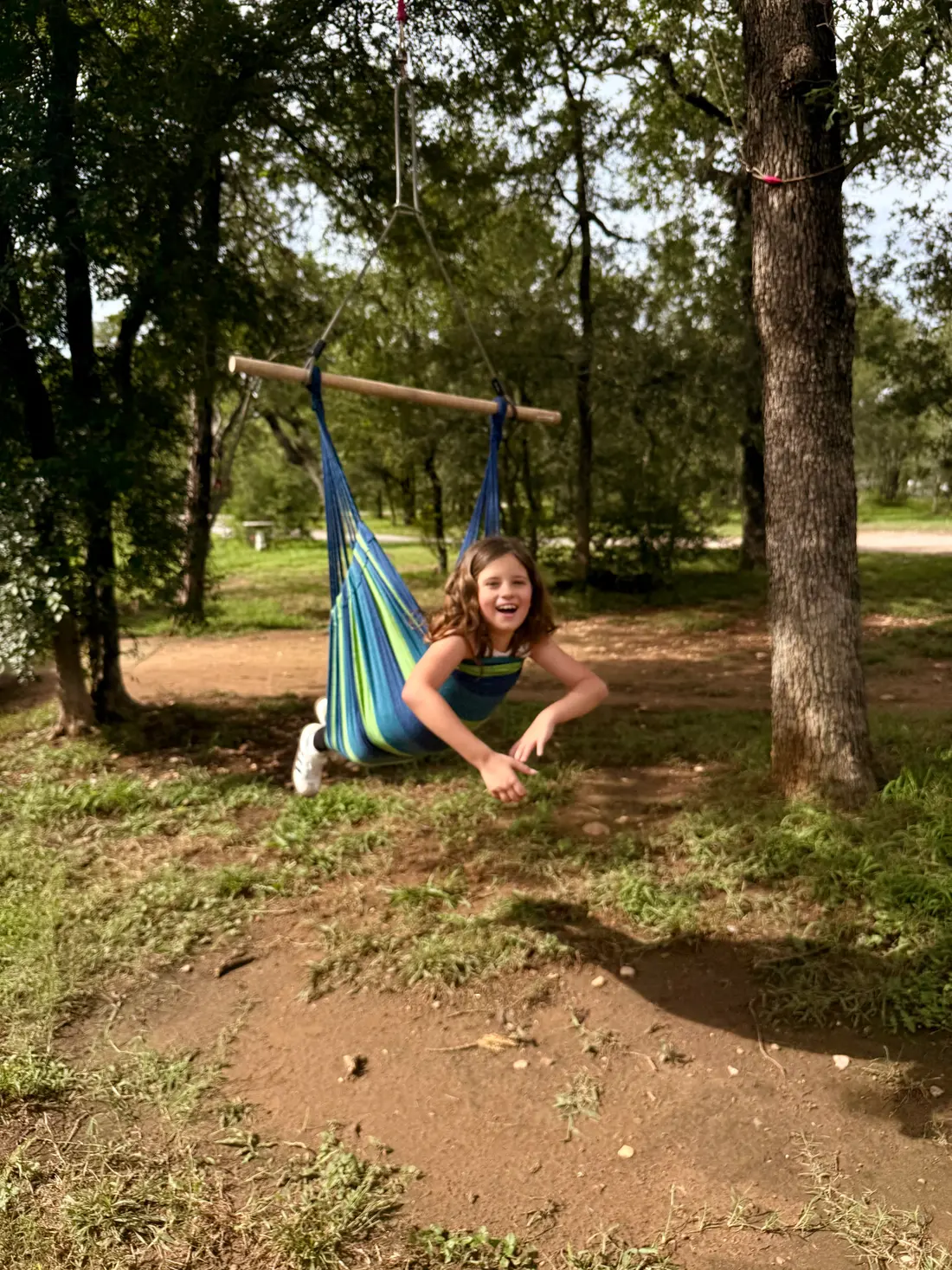
Every child processes sensory information differently. Some children become overwhelmed by everyday experiences, while others constantly seek movement, touch, or other input to help their bodies feel organized.
When sensory processing challenges interfere with daily routines, learning, play, or social participation, occupational therapy can help children develop strategies that improve regulation, attention, and participation.
We use evidence-based, play-based interventions to help children better understand their bodies, improve self-regulation, and take part more successfully at home, at school, and in the community.
Sensory processing challenges may look like
- Frequent meltdowns or difficulty calming
- Difficulty transitioning between activities
- Avoiding certain clothing or textures
- Sensitivity to sounds, lights, or crowded environments
- Constant movement or an inability to sit still
- Crashing, jumping, climbing, or seeking intense movement
- Difficulty paying attention
- Trouble sleeping
- Challenges with emotional regulation
- Difficulty with grooming activities like brushing hair or teeth
- Fear of swings, climbing, or playground equipment
- Delayed motor coordination
- Difficulty participating in school or community activities
Recognize your child in this list? That's a good reason to reach out. An evaluation is how we find out whether therapy would help, and sometimes the answer is that everything is on track.
Our sensory processing approach
Every child receives an individualized evaluation to identify how sensory processing affects daily life.
Treatment plans may focus on emotional regulation, body awareness, balance and coordination, motor planning, attention and focus, fine motor development, functional play skills, independence with daily routines, transitions between activities, self-regulation strategies, and tolerance of everyday sensory experiences.
Sessions are intentionally playful while targeting meaningful functional outcomes that improve participation across every environment.
We partner with families
Therapy extends beyond the clinic walls. We work closely with parents, caregivers, teachers, and other providers to develop strategies that support success in everyday life, and families leave with education, home activities, and practical recommendations for the week ahead.
Have questions about sensory processing?
Tell us what you're seeing at home. We'll talk it through and help you figure out the right next step.
Other ways we help
- Infant DevelopmentEarly support for babies working on tummy time, feeding, movement, and sensory regulation.
- Developmental DelaysSupport for children working toward milestones at their own pace, with goals built around daily life.
- Feeding TherapySupport for selective eating, texture sensitivity, chewing and drinking skills, and mealtime stress.
- Autism Support ServicesChild-led, relationship-based therapy built around each child's strengths, interests, and goals.
- Executive FunctioningPractical strategies for planning, organization, working memory, and getting started on tasks.
- Fine Motor SkillsHand strength, grasp, and visual motor skills for writing, cutting, dressing, and play.
- School ReadinessHandwriting readiness, attention, transitions, and the self-care independence school expects.